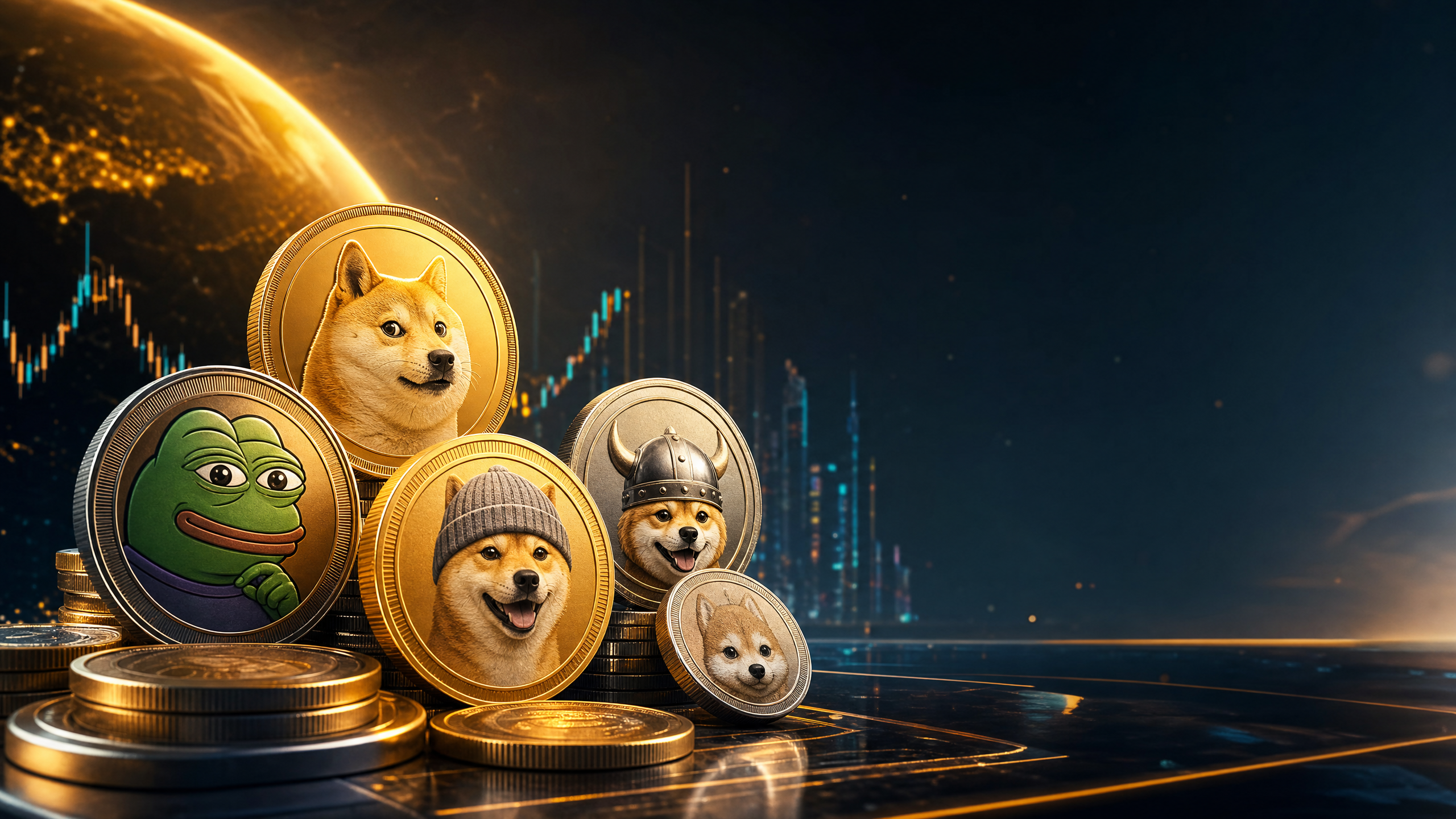
Meme coins have exploded in popularity, with tokens like Dogecoin and Shiba Inu reaching multi-billion-dollar valuations. But behind the hype lies a minefield of risks. In March 2025 alone, over 200 new meme coins were launched daily, according to DEXTools. Most lost 90% of their value within a week. Yet some investors still walk away with life-changing gains. The question is: are the rewards worth the risk?




The Mechanics of Meme Coin Mania
Meme coins rely on community hype and social media virality rather than fundamental utility. A single tweet from Elon Musk can send Dogecoin soaring 20% in minutes. But the same lack of fundamentals makes them prone to savage dumps. Pump-and-dump schemes are rampant. In 2024, the FBI reported that over 40% of new meme coin projects exhibited signs of coordinated exit scams.
Liquidity is another major issue. Many meme coins trade on decentralized exchanges with thin order books. A sudden sell-off can cause slippage of 50% or more.
"Meme coins with less than $100,000 in liquidity are essentially gambling tokens" — according to CoinGecko's 2024 annual report
The Upside: Community and Speed
Not all meme coins are scams. Some, like Dogecoin, have built genuine communities that drive adoption. Dogecoin is now accepted by over 2,000 merchants globally, from Tesla merchandise to small coffee shops. Speed of execution is a key advantage. Meme coins can rally 1,000% in days, offering outsized returns for early entrants. For example, the Pepe token surged from a $10 million market cap to $1.5 billion in three weeks in 2023.
Low barriers to entry: Anyone with a few dollars can buy meme coins on decentralized exchanges.
Viral potential: Social media can amplify a coin's reach exponentially.
Speculative thrill: High volatility appeals to risk-tolerant traders.
The Dark Side: Rug Pulls and Manipulation
The lack of regulation makes meme coins a haven for bad actors. Rug pulls are the most common scam. Developers hype a token, attract liquidity, and then drain the pool. In 2024, the Squid Game token rug pull wiped out $3.4 million in investor funds in under an hour. Even established meme coins face manipulation. Whales holding large percentages of supply can dump at will, crashing prices.
Market manipulation is rampant. A study by Chainalysis found that 24% of meme coin trading volume in 2024 was wash trading — fake transactions to inflate activity.
"The meme coin market is a casino where the house always wins" — as Chainalysis researcher John Smith noted in a recent report
How to Navigate the Meme Coin Minefield
If you still want to trade meme coins, take precautions. Only invest what you can afford to lose. Check liquidity on DEX tools like Uniswap or PancakeSwap. Look for locked liquidity and renounced contract ownership — these reduce the risk of rug pulls. Avoid coins with concentrated ownership; a wallet holding more than 10% of supply is a red flag.
Timing matters. Enter early after a legitimate launch, but set strict stop-losses. Never chase a coin that has already rallied 500%. The best meme coin trades are often over within hours. Use platforms like DexScreener to monitor new pairs in real time.
The meme coin market will likely persist as long as social media fuels speculation. But for every winner, a dozen losers are left holding worthless tokens. The key is to treat them as high-risk bets, not investments. As the crypto cycle continues, new meme coins will emerge, promising riches — but the risks remain the same. Only those who understand the game can hope to survive it.